Learn why organizations are investing in verification instead of detection alone. For years, the fight against synthetic media manipulation followed a familiar pattern: researchers identified deepfake artifacts, built detection models around those signatures, and deployed them across platforms. Detection accuracy improved. Conferences celebrated breakthroughs. The industry felt like it was winning. Then generative AI became exponentially better at eliminating the very artifacts those systems were trained to find. As synthetic media improves, confidence increasingly comes from layered evidence rather than a binary label. Synthetic Proof helps organizations evaluate that evidence in context. What's emerging isn't simply a technical gap that better detection can close. It's a fundamental shift in how organizations must approach digital trust. The old model—detect manipulated content after it's created—assumes defenders can keep pace with attackers....

Explore how GPTZero supports AI detection, editorial review, and content verification systems.
The rapid adoption of generative AI has transformed content creation, but it's also introduced new challenges for publishers, editors, and educators who need to verify the authenticity of written work. GPTZero has emerged as one of the most widely recognized AI detection tools, designed specifically to identify text generated by large language models like ChatGPT, Claude, and others.
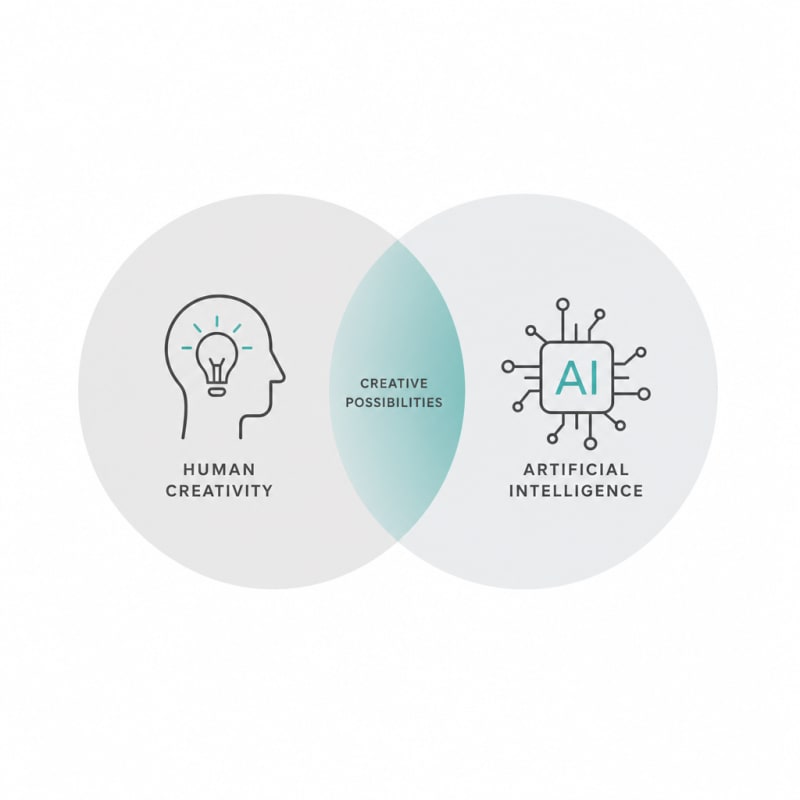
Understanding how to integrate AI detection into publishing and editorial workflows isn't just about catching AI-generated content—it's about building trust, maintaining standards, and adapting to a landscape where human and machine-generated text increasingly coexist.
Related: If your workflow touches verification, provenance, or suspicious media, Synthetic Proof can help audit content and reduce trust risk.
Why AI Detection Matters in Publishing
Publishers face a fundamental question: how do we maintain editorial integrity when AI can produce convincing content at scale? The answer isn't to reject AI entirely, but to develop systems that distinguish between undisclosed AI content, AI-assisted writing, and purely human work.
GPTZero was developed by Edward Tian, a Princeton student who recognized the need for transparent AI detection in academic settings. The tool analyzes text for patterns characteristic of AI generation, including sentence structure consistency, predictability, and stylistic uniformity that differs from human writing.
For publishers, this technology serves multiple purposes: verifying submissions from freelancers, ensuring compliance with editorial policies, and providing transparency to readers about content origins.
How GPTZero Works in Editorial Systems
GPTZero evaluates text using two primary metrics: perplexity and burstiness. Perplexity measures how predictable the text is—AI-generated content tends to be more predictable because language models select statistically likely word sequences. Burstiness examines sentence variation—humans naturally write with more varied sentence lengths and complexity.
The tool provides a probability score indicating how likely it is that text was AI-generated. Rather than a binary yes/no answer, it offers nuanced analysis that editors can interpret within context.
Integration Points in Publishing Workflows
Effective use of AI detection tools requires strategic placement in the editorial process. Most publishers integrate detection at these key stages:
- Initial submission review: Screening incoming content before it reaches senior editors
- Pre-publication verification: Final checks before content goes live
- Spot audits: Random sampling of published work to ensure ongoing compliance
- Freelancer onboarding: Setting clear expectations about AI use policies
AI Detection in Educational Publishing
Educational publishers face unique challenges. Student submissions, academic journals, and educational materials all require authenticity verification, but the context differs significantly from commercial publishing.
Schools and universities have adopted GPTZero and similar ai detection tools to address concerns about academic integrity. However, effective implementation requires more than just running text through a detector. Educators need frameworks for interpreting results and addressing potential violations fairly.
Educational publishers creating textbooks, study materials, and assessment content use these tools differently than news or commercial publishers. The focus shifts from detecting undisclosed AI use to ensuring that educational content maintains the pedagogical value that only human expertise can provide.
Limitations and Considerations
No AI detection tool is perfect. GPTZero and its competitors face several inherent limitations that publishers must understand:
False positives occur when human writing happens to match patterns associated with AI generation. This is particularly common with non-native English speakers, writers with certain stylistic tendencies, or technical content that requires formal, structured language.
False negatives happen when AI-generated content is edited enough to mask its origins. Simple paraphrasing, strategic rewording, or mixing AI content with human writing can reduce detection accuracy.
The detection arms race continues as language models improve. Newer models produce more human-like text, making detection increasingly difficult. GPTZero regularly updates its algorithms, but publishers should expect ongoing evolution rather than a permanent solution.
Building Trust Through Transparency
The most successful ai publishing workflows don't rely solely on detection tools. They combine technology with clear policies, transparent communication, and editorial judgment.
Leading publications have developed comprehensive approaches that include:
- Clear disclosure requirements for AI use in content creation
- Guidelines distinguishing between prohibited AI generation and acceptable AI assistance
- Training for editors on interpreting detection results
- Appeals processes for writers flagged by detection tools
- Regular policy reviews as technology evolves
These frameworks recognize that AI detection is a tool for verification, not a replacement for editorial judgment. Context matters—a press release might reasonably use more AI assistance than investigative journalism, for example.
Practical Implementation Challenges
Publishers implementing AI detection face operational questions beyond just choosing a tool. Workflow integration requires decisions about who runs checks, how results are documented, and what thresholds trigger further review.
High-volume publishers might automate initial screening, flagging content above certain probability thresholds for human review. Smaller operations might use detection tools more selectively, focusing on high-stakes content or addressing specific concerns.
The cost-benefit analysis varies by publication type. Academic journals might justify extensive verification systems, while blogs or news aggregators might take lighter-touch approaches.
The Evolving Landscape
AI detection represents just one aspect of how publishing is adapting to generative AI. As tools like GPTZero mature, they're becoming part of broader verification systems that include plagiarism detection, fact-checking, and source verification.
The future likely involves more sophisticated detection that can identify not just whether content is AI-generated, but which specific models or techniques were used. This granularity could enable more nuanced policies that distinguish between different types and levels of AI assistance.
Publishers should view current AI detection tools as temporary solutions in a rapidly changing environment. The goal isn't to perfectly identify all AI content, but to establish systems that maintain trust while adapting to new technology.
Conclusion
GPTZero and similar AI detection tools have become essential components of modern publishing and editorial workflows, but they work best as part of comprehensive approaches rather than standalone solutions. Publishers succeeding in this environment combine detection technology with clear policies, transparent communication, and strong editorial judgment.
The key is recognizing that AI detection serves verification and trust-building purposes, not gatekeeping ones. As AI-generated content becomes more sophisticated and AI assistance becomes more common, publishers need systems that distinguish between acceptable and problematic uses rather than attempting to eliminate AI entirely.
Whether you're running an academic journal, news publication, or commercial content platform, the principles remain consistent: establish clear standards, implement appropriate verification tools, and maintain flexibility as technology evolves. AI detection is part of publishing's future, but human editorial judgment remains irreplaceable.
SYNTHETIC PROOF
Verify What You See
Synthetic media is getting harder to identify. Get verification-focused analysis for suspicious content.
Run a Synthetic Proof AuditSynthetic Proof
Verified — Editorial Layer
This content has passed editorial verification for clarity, accuracy, and trust alignment.
Editor-in-Chief: Kevin Marsh
Verification Status: PASSED
Verification Status: PASSED
Comments
Post a Comment