Learn why organizations are investing in verification instead of detection alone. For years, the fight against synthetic media manipulation followed a familiar pattern: researchers identified deepfake artifacts, built detection models around those signatures, and deployed them across platforms. Detection accuracy improved. Conferences celebrated breakthroughs. The industry felt like it was winning. Then generative AI became exponentially better at eliminating the very artifacts those systems were trained to find. As synthetic media improves, confidence increasingly comes from layered evidence rather than a binary label. Synthetic Proof helps organizations evaluate that evidence in context. What's emerging isn't simply a technical gap that better detection can close. It's a fundamental shift in how organizations must approach digital trust. The old model—detect manipulated content after it's created—assumes defenders can keep pace with attackers....

Learn practical methods and tools used to identify manipulated video, audio, and synthetic content.
Deepfakes have evolved from a niche technological curiosity to a serious threat to information integrity. These AI-generated videos, images, and audio clips can convincingly mimic real people, making it increasingly difficult to distinguish fact from fiction. As deepfake technology becomes more accessible, the ability to verify media authenticity before sharing it online has become an essential digital literacy skill.
The consequences of spreading unverified deepfake content can be severe—from damaging reputations and spreading misinformation to influencing elections and financial markets. This guide provides practical techniques for detecting deepfakes and verifying media authenticity before you hit the share button.
Related: If your workflow touches verification, provenance, or suspicious media, Synthetic Proof can help audit content and reduce trust risk.
Understanding Deepfake Technology
Deepfakes use artificial intelligence, specifically deep learning algorithms, to create synthetic media that appears authentic. These systems analyze thousands of images or audio samples to learn how a person looks, sounds, and moves, then generate new content that mimics these characteristics.
Modern deepfake verification requires understanding that this technology continuously improves. What seemed obviously fake a year ago may now appear seamlessly real. This arms race between creation and detection means verification methods must evolve alongside the technology itself.
Visual Inspection Techniques
Your first line of defense in deepfake verification is careful visual analysis. While sophisticated deepfakes can fool casual viewers, many still contain telltale signs of manipulation.
Examine Facial Features and Movements
Pay close attention to the face, particularly around the eyes, mouth, and hairline. Deepfakes often struggle with realistic blinking patterns—either blinking too frequently or not enough. Watch for unnatural eye movements or eyes that don't quite track properly with head movements. The boundary between hair and forehead is another common problem area where artifacts may appear.
Check for Lighting and Shadow Inconsistencies
Lighting physics remain challenging for AI systems to replicate perfectly. Look for shadows that don't match the apparent light source, inconsistent lighting across the face, or unnatural reflections in the eyes. If the lighting on a person's face doesn't match their environment, that's a red flag.
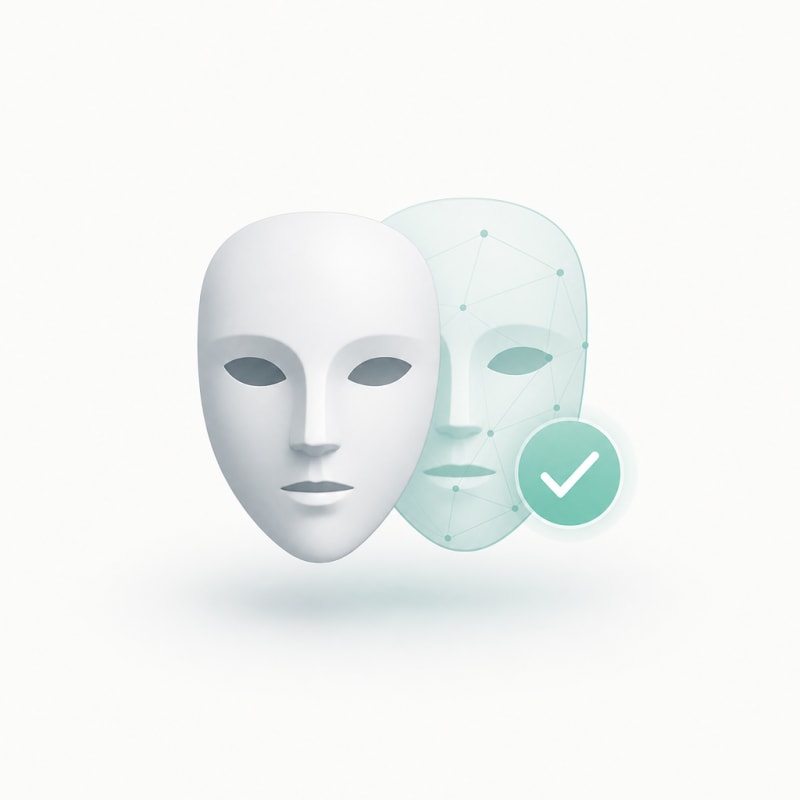
Analyze Background and Context
Deepfake algorithms typically focus computational power on the face, sometimes neglecting backgrounds or edges. Watch for blurring around the subject's outline, especially when they move. Background details may appear distorted or unusually blurry compared to the main subject.
Audio Analysis Methods
Voice cloning technology has advanced rapidly, making audio deepfakes particularly dangerous. Detecting fake audio requires attention to subtle cues that AI systems still struggle to replicate convincingly.
Listen for Unnatural Speech Patterns
AI-generated speech often lacks the natural variations in rhythm, pace, and emphasis that characterize human conversation. Listen for robotic cadence, unusual pauses, or words that seem disconnected from emotional context. Breathing patterns may be absent or sound artificial.
Check for Audio-Visual Synchronization
In video deepfakes, the audio may not perfectly sync with lip movements. This desynchronization can be subtle but becomes more apparent when you focus specifically on mouth movements while listening. Even advanced deepfakes sometimes show slight delays or mismatches.
Technical Verification Tools
Beyond manual inspection, several technical tools can help with ai media verification and detect deepfakes more systematically.
Reverse Image and Video Search
Use Google Reverse Image Search or TinEye to check if an image or video frame appears elsewhere online. This can help identify if content has been manipulated from an original source or if it's part of a known misinformation campaign. For videos, extract key frames and search them individually.
Metadata Examination
Check the metadata of image and video files, which can reveal information about when and how the content was created or edited. Tools like ExifTool can extract this data. Be aware, however, that metadata can be stripped or falsified, so it shouldn't be your only verification method.
AI Detection Tools
Several platforms now offer automated deepfake detection services. Tools like Sensity, Microsoft Video Authenticator, and Intel's FakeCatcher analyze media for signs of AI manipulation. While useful, these tools aren't infallible and should be used alongside other verification methods.
Cross-Reference and Context Verification
Technical analysis should always be complemented with contextual research. Deepfake verification extends beyond the media itself to include the circumstances surrounding its appearance.
Verify the Source
Investigate where the media first appeared online. Was it posted by a credible source or an anonymous account? Check the account's history, follower count, and previous posts. Newly created accounts sharing sensational content should raise immediate suspicion.
Look for Corroboration
Search for other reports or versions of the same event. If a video supposedly shows a public figure making an outrageous statement, are reputable news organizations reporting it? Lack of coverage from established media despite sensational content is a warning sign.
Consider the Plausibility
Apply critical thinking to the content itself. Does the scenario make logical sense? Does it align with the person's known beliefs and behavior patterns? If something seems designed specifically to provoke strong emotional reactions, approach it with extra skepticism.
Best Practices Before Sharing
When you encounter media that might be a deepfake, follow these verification steps before sharing:
- Pause and resist the urge to immediately share emotionally provocative content
- Perform multiple verification checks using different methods
- Research the original source and look for corroborating evidence
- Consult fact-checking organizations like Snopes, FactCheck.org, or PolitiFact
- If you can't verify authenticity with confidence, don't share it
Remember that sharing suspected deepfakes "just asking questions" or with disclaimers still contributes to their spread. The damage often occurs simply through exposure, regardless of intent.
Staying Updated on Detection Methods
Deepfake technology evolves rapidly, and so must detection techniques. Make it a habit to stay informed about new developments in both deepfake creation and verification. Follow cybersecurity experts, digital forensics researchers, and organizations focused on media literacy.
Consider participating in online communities dedicated to media verification. These communities often share the latest detection tools, discuss emerging deepfake trends, and collaboratively analyze suspicious content. Building these skills takes practice, and learning from others accelerates the process.
Conclusion
The proliferation of deepfakes represents one of the most significant challenges to online trust and information integrity. As these AI-generated media become increasingly sophisticated, the responsibility for verification falls on each of us before we contribute to spreading potentially false content.
Effective deepfake verification combines visual and audio inspection, technical tools, contextual research, and critical thinking. No single method provides complete certainty, but using multiple verification techniques together significantly improves your ability to detect deepfakes before they spread.
The most powerful tool in combating deepfake misinformation is collective vigilance. By developing these verification skills and applying them consistently, you contribute to a more trustworthy online information environment. When in doubt about media authenticity, the safest choice is always to pause, verify thoroughly, and refrain from sharing until you can confirm legitimacy. Your diligence in ai media verification helps protect not just yourself, but everyone in your network from the harms of manipulated media.
The Practical Solution
Before sharing questionable media, run it through reverse image search and watch it frame-by-frame at slow speed—deepfakes break down under scrutiny. Cross-reference against multiple sources. If something feels off about the eyes, lighting, or audio sync, trust that instinct and don't share until verified. When in doubt, waiting costs nothing; spreading a deepfake can cost everything.
— Kevin Marsh, Editor-in-Chief
Synthetic Proof
Verified — Editorial Layer
This content has passed editorial verification for clarity, accuracy, and trust alignment.
Editor-in-Chief: Kevin Marsh
Verification Status: PASSED
Verification Status: PASSED
Comments
Post a Comment