Learn why organizations are investing in verification instead of detection alone. For years, the fight against synthetic media manipulation followed a familiar pattern: researchers identified deepfake artifacts, built detection models around those signatures, and deployed them across platforms. Detection accuracy improved. Conferences celebrated breakthroughs. The industry felt like it was winning. Then generative AI became exponentially better at eliminating the very artifacts those systems were trained to find. As synthetic media improves, confidence increasingly comes from layered evidence rather than a binary label. Synthetic Proof helps organizations evaluate that evidence in context. What's emerging isn't simply a technical gap that better detection can close. It's a fundamental shift in how organizations must approach digital trust. The old model—detect manipulated content after it's created—assumes defenders can keep pace with attackers....
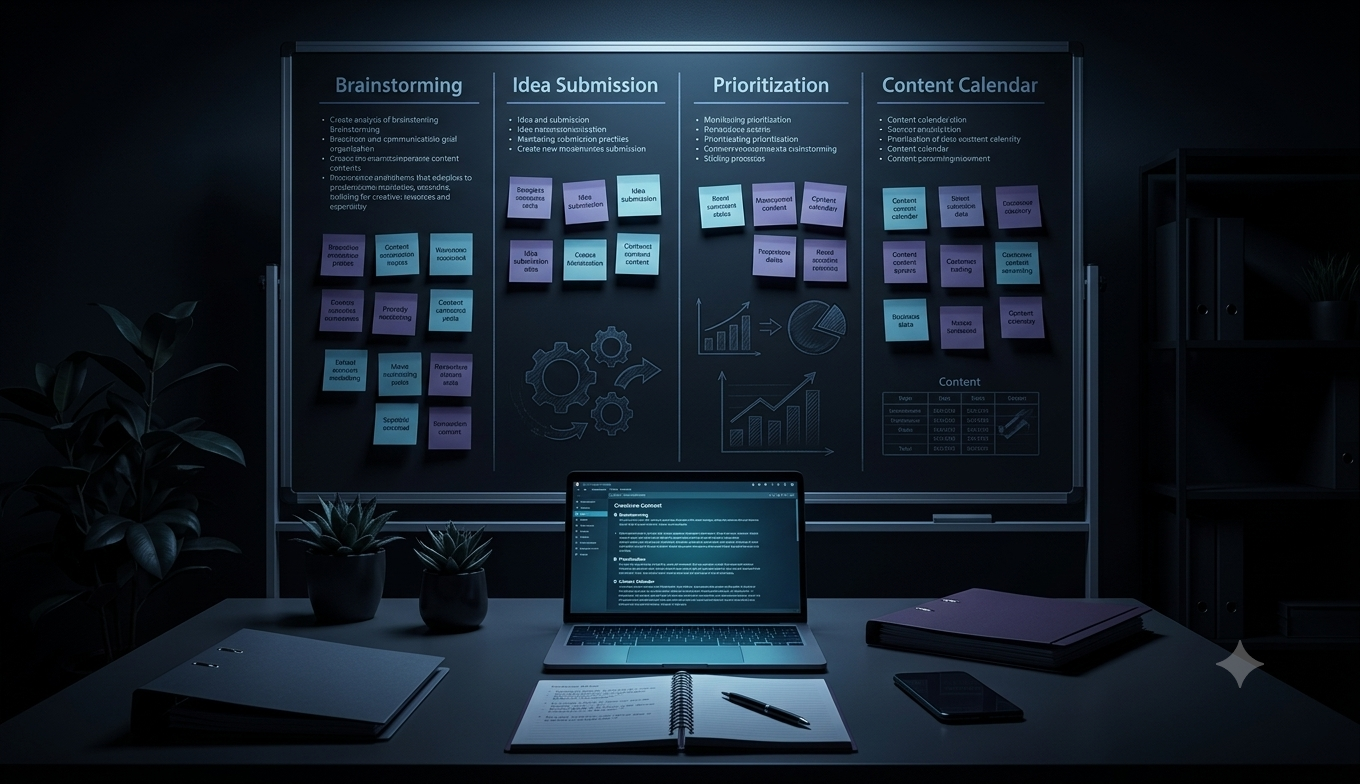
Never Run Out of Ideas Again: Master the Systematic Generation and Organization Workflow for Consistent, Engaging Content.
Building a content idea pipeline is essential for efficient content creation and planning. A well-structured content ideation system allows you to consistently generate and organize content ideas that can drive engagement and meet your audience's needs. In this article, we will explore a step-by-step system for developing an effective idea generation workflow that not only captures inspiration but also translates it into actionable content plans.
Step 1: Define Your Content Goals
Before diving into the idea generation process, it’s crucial to establish your content goals. Understanding what you aim to achieve through your content will guide the direction of your pipeline. Consider the following questions:
Related: If you need a better system for planning, organizing, and developing content ideas, Content Ideation Hub gives you a repeatable structure.
- What is the main purpose of your content? (e.g., educate, entertain, inform)
- Who is your target audience?
- What topics resonate most with your audience?
Having clear objectives will help you generate relevant content ideas that align with your overall strategy.
Step 2: Set Up a Brainstorming Framework
Your idea generation workflow should begin with structured brainstorming sessions. Utilize various techniques to foster creativity:
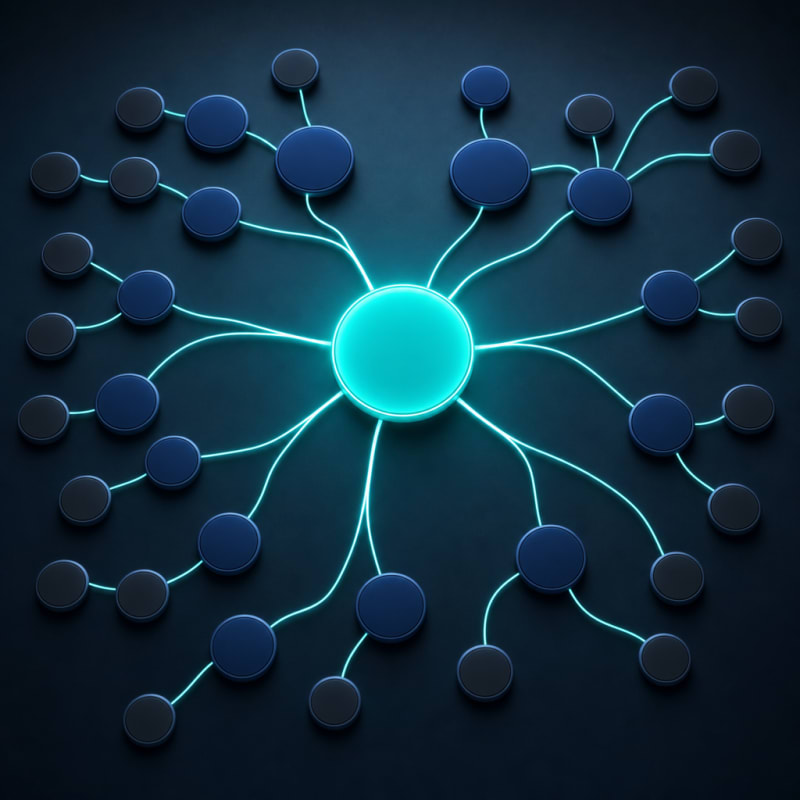
Mind Mapping
Create a visual representation of your ideas. Start with a central theme and branch out into related subtopics. This can help you discover new angles on existing content and identify gaps in your current strategy.
Keyword Research
Utilize SEO tools to find relevant keywords and topics that are trending. This can serve as a springboard for your own content ideation. Look for questions people are asking or popular searches related to your industry.
Competitor Analysis
Review what your competitors are producing. Analyze their successful content to derive inspiration for your own ideas, making sure to add your unique perspective.
Step 3: Create an Idea Submission System
As part of your content planning system, it's essential to have a method for capturing ideas effectively. This can be done through:
Idea Submission Forms
Create a simple form where team members can submit ideas. Include fields for the title, description, target audience, and any relevant links or resources.
Digital Tools
Utilize project management tools like Trello, Asana, or Notion to keep track of submitted ideas. Set up categories or labels to help organize and prioritize submissions.
Step 4: Prioritize Ideas Based on Relevance
Once you have a collection of ideas, the next step is prioritization. Not every idea will be viable, so assess them against your content goals. Consider:
- Alignment with overall strategy
- Audience interest and demand
- Time and resources needed for production
This filtering process ensures that you focus on the highest-priority ideas that will resonate with your audience.
Step 5: Create a Content Calendar
With your prioritized content ideas in hand, it's time to map them into a content calendar. This helps you plan the timing and distribution of your content. Include:
- Publication dates
- Content types (e.g., blog posts, videos, social media posts)
- Responsible team members
A content calendar acts as a roadmap for your content strategy, keeping everyone synchronized and accountable.
Step 6: Review and Reflect
After you’ve executed your content plan, it’s essential to review the performance of your content. Gather data on engagement metrics, audience feedback, and overall effectiveness:
- What worked well?
- What can be improved?
- Did you meet your initial goals?
This reflection phase will help fine-tune your content ideation system and improve future workflows.
Conclusion
Building a content idea pipeline is a systematic approach that transforms random thoughts into structured plans. By defining goals, fostering brainstorming, organizing ideas, prioritizing content, and implementing a review process, you can create a sustainable idea generation workflow. This not only enhances your efficiency but also ensures that your content remains relevant, engaging, and aligned with your audience's needs.
The Practical Solution
Make your content ideation process more efficient and targeted by establishing an idea submission system using digital tools, that categorizes and prioritizes ideas based on relevance to your content goals. At the end of each content cycle, don't forget to revisit your pipeline and evaluate your content's performance, using audience feedback and engagement data to improve future workflows.
— Kevin Marsh, Editor-in-Chief
Want the practical AI breakdown without the noise?
Get high-signal insights on AI trust, workflows, and systems — without the noise.
Join the NextLayer Newsletter
Synthetic Proof
Verified — Editorial Layer
This content has passed editorial verification for clarity, accuracy, and trust alignment.
Editor-in-Chief: Kevin Marsh
Verification Status: PASSED
Verification Status: PASSED
Comments
Post a Comment