Learn why organizations are investing in verification instead of detection alone. For years, the fight against synthetic media manipulation followed a familiar pattern: researchers identified deepfake artifacts, built detection models around those signatures, and deployed them across platforms. Detection accuracy improved. Conferences celebrated breakthroughs. The industry felt like it was winning. Then generative AI became exponentially better at eliminating the very artifacts those systems were trained to find. As synthetic media improves, confidence increasingly comes from layered evidence rather than a binary label. Synthetic Proof helps organizations evaluate that evidence in context. What's emerging isn't simply a technical gap that better detection can close. It's a fundamental shift in how organizations must approach digital trust. The old model—detect manipulated content after it's created—assumes defenders can keep pace with attackers....
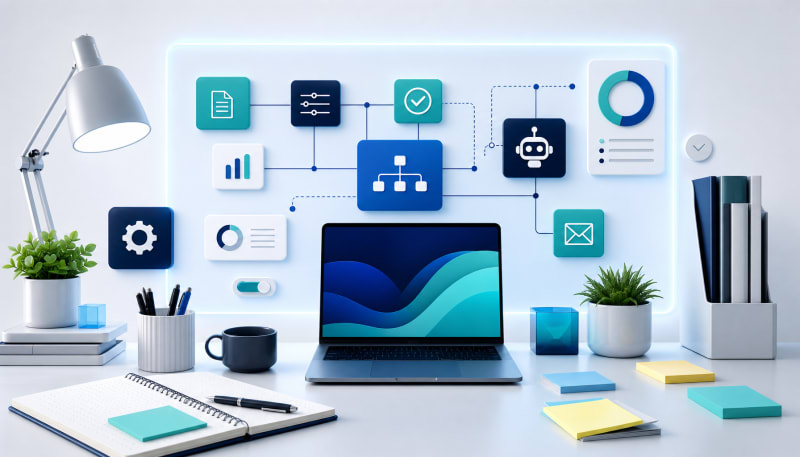
Save time and scale your business with AI-powered workflows for content, sales, and operations.
The solopreneur landscape has changed. What once required a team of specialists can now be managed by one person armed with the right AI productivity stack. But here's the shift: successful solopreneurs in 2026 aren't just using AI tools—they're thinking like orchestrators, not executors.
This mindset change separates thriving solo businesses from struggling ones. Instead of doing every task yourself, you're directing AI systems to handle repetitive work while you focus on strategy, relationships, and the creative decisions only humans can make. Let's explore the best ai tools for solopreneurs that make this possible.
Related: If you want the full operating system for AI workflows, prompts, ideation, and execution, Snapse OS brings the pieces together.
The Freelancer Mindset Evolution
Traditional freelancing meant trading time for money. You were the bottleneck in your own business. The 2026 solopreneur operates differently—you're building systems, not just completing tasks. This requires a fundamental shift in how you approach your work.
The most successful solopreneurs now ask: "What can I automate?" before asking "How do I do this?" They see business ai tools not as optional add-ons but as core team members. Your AI stack becomes your virtual staff, handling everything from customer communication to content creation to financial tracking.
Essential AI Tools for Client Management
Automated Communication Systems
Managing client communications used to consume hours each day. Modern AI email assistants now handle initial inquiries, schedule meetings, send follow-ups, and even draft personalized responses based on your past communication style. Tools like Superhuman AI and Hey's AI features learn your voice and can manage 80% of routine correspondence without your input.
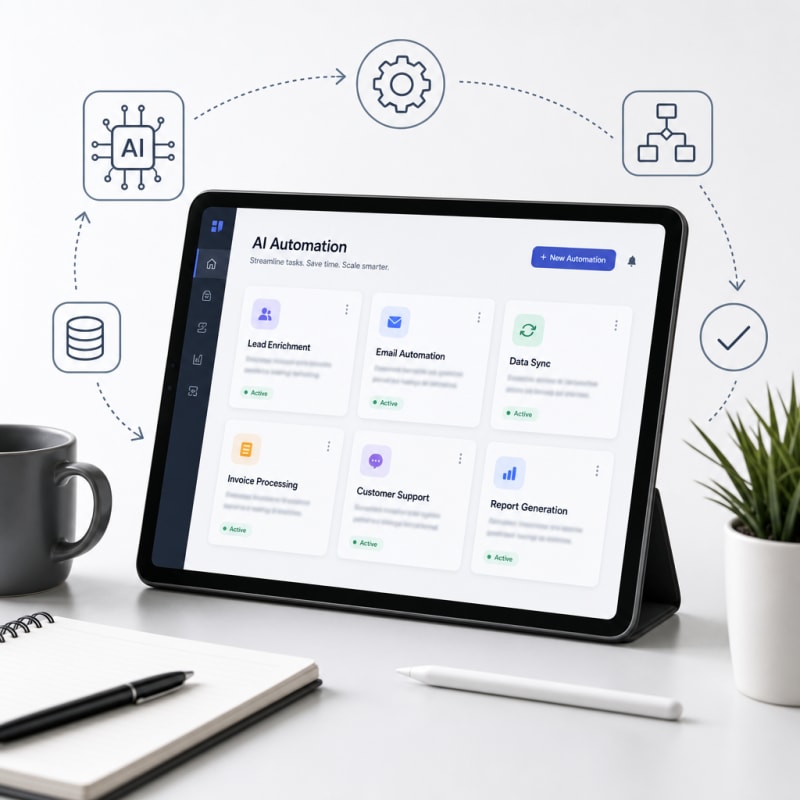
The key is setting up proper filtering and automation rules. Your AI should escalate only the conversations that truly need your attention while handling everything else autonomously.
Smart Proposal and Contract Generation
Proposal software integrated with AI can now generate customized pitches by analyzing client needs, past successful proposals, and current market rates. These systems pull relevant case studies, adjust pricing based on scope, and format everything professionally in minutes instead of hours.
Content Creation and Marketing Automation
Content remains king, but creating it shouldn't drain your energy. The best ai tools for solopreneurs in content creation go beyond simple text generation—they maintain brand voice, optimize for SEO, and repurpose content across platforms automatically.
Multi-Format Content Engines
Today's AI content systems can transform a single long-form piece into social posts, email newsletters, video scripts, and podcast outlines. Tools like Lately, Jasper, and Writer have evolved to understand context and maintain consistency across all these formats. You create the core idea once, and AI handles distribution across your entire marketing funnel.
Visual Content Generation
Solopreneurs no longer need designers on retainer. AI image generators like Midjourney, DALL-E, and Adobe Firefly produce custom graphics, social media visuals, and even presentation decks. Combined with AI-powered video tools like Runway and Descript, you can produce professional multimedia content without technical skills.
Financial and Administrative Automation
The unsexy backend of business often takes more time than the actual work. Business ai tools now handle invoicing, expense tracking, tax preparation, and financial forecasting with minimal input.
Intelligent Bookkeeping
Modern accounting platforms like QuickBooks and Xero use AI to automatically categorize expenses, match receipts to transactions, and flag potential tax deductions. They learn from your patterns and become more accurate over time, essentially giving you a virtual bookkeeper that works 24/7.
Project and Time Management
AI project management tools now predict how long tasks will take based on your historical data, automatically prioritize your to-do list, and even reschedule items when urgent work emerges. Motion and Reclaim exemplify this category, acting as an AI executive assistant that manages your calendar based on your goals and working patterns.
Customer Service and Support Automation
Providing excellent customer service as a one-person operation used to mean being constantly available. AI chatbots and support systems have matured to handle complex queries, troubleshoot problems, and maintain customer satisfaction without your constant involvement.
The latest customer service AI doesn't just answer FAQs—it understands context, accesses your knowledge base, and escalates to you only when necessary. This means you can truly scale your client base without proportionally scaling your time commitment.
Building Your AI Productivity Stack
The goal isn't collecting tools—it's building an integrated system. Your ai productivity stack should have these layers:
- Communication layer: Email automation, meeting scheduling, client messaging
- Creation layer: Content generation, design, video production
- Distribution layer: Social media scheduling, email marketing, SEO optimization
- Operations layer: Project management, invoicing, contracts
- Intelligence layer: Analytics, forecasting, decision support
Start by identifying your biggest time drains. Most solopreneurs find it's either administrative tasks or content creation. Automate those first, then expand your stack as you free up capacity.
Integration is Everything
Individual tools are useful, but connected tools are transformative. Use platforms like Zapier, Make, or n8n to create workflows that move data between your AI systems automatically. When your CRM talks to your email tool, which connects to your content calendar, which feeds your analytics dashboard, you've built a business machine that runs itself.
The best integrations happen when you map your actual business processes first. Don't automate chaotic workflows—that just creates chaos faster. Streamline your process, then automate it.
The Human Element Still Matters
Here's what AI can't do: build genuine relationships, understand nuanced client needs, or make judgment calls in ambiguous situations. The most successful solopreneurs use AI to eliminate the repetitive work so they can spend more time on these irreplaceable human activities.
Your clients hire you for your expertise, creativity, and judgment—not your ability to send emails or create invoices. Let AI handle the latter so you can focus on the former.
Conclusion
The solopreneur success formula for 2026 is simple in concept but requires a mindset shift in execution: automate everything that doesn't require your unique human judgment. The best ai tools for solopreneurs are the ones that fade into the background, quietly handling the operational burden of running a business while you focus on growth and client value.
Start small. Pick one area of your business that consumes too much time and find an AI tool to handle it. As you experience the time savings, expand your automation. Within months, you'll operate with the capacity of a small team while maintaining the flexibility and profit margins of a solo business.
The future of solo business isn't about working harder—it's about orchestrating smarter. Your AI productivity stack is your force multiplier. Build it intentionally, and you'll compete with much larger operations while keeping your freedom intact.
The Practical Solution
Start by auditing your calendar and identifying tasks you did more than three times—those are your automation candidates. Pick one AI tool per business function: Set up the automations, then force yourself to step back for two weeks and only intervene when the system escalates something to you. The goal isn't perfection—it's reclaiming 10-15 hours weekly to work on growth instead of spending that time on repetitive tasks.
— Kevin Marsh, Editor-in-Chief
Synthetic Proof
Verified — Editorial Layer
This content has passed editorial verification for clarity, accuracy, and trust alignment.
Editor-in-Chief: Kevin Marsh
Verification Status: PASSED
Verification Status: PASSED
Comments
Post a Comment